
EOS Roles
EOS Implementer vs Integrator: What’s the Difference?
By Sylvie Cowell 2 min read
The EOS Implementer and the Integrator are not the same thing. One teaches and facilitates the system. The other holds it inside the business. Understanding the difference can save a leadership team considerable time, cost and frustration.
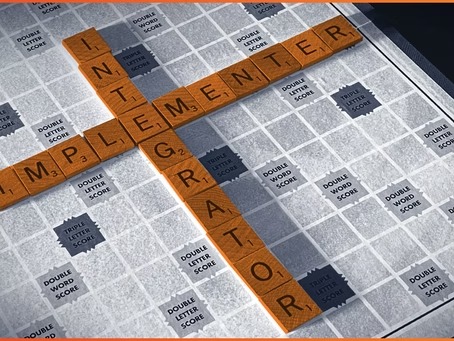
If you are exploring EOS, you will encounter both terms quickly. They are sometimes treated as interchangeable, but they describe different relationships with the business.
The simplest distinction is this: the Implementer works on the business with the leadership team. The Integrator works in it.
The Implementer works on the business
An EOS Implementer is typically an external professional who teaches the framework, facilitates the leadership team’s key sessions and helps the organisation apply EOS tools correctly. Their work commonly centres on Focus Days, quarterly sessions and annual planning.
They bring structure, challenge and an outside perspective. That is valuable—but it is not the same as owning the operating rhythm between sessions.
The Integrator works in it
In EOS language, the Integrator is the operational second-in-command. They sit inside the leadership team, connect the major functions, hold leaders accountable and ensure that decisions made in meetings become action in the business.
The Implementer helps the team understand and adopt the system. The Integrator helps the business live it every week.
Why EOS can lose traction between sessions
When EOS loses momentum, the framework is not always the problem. Often, no one has enough operational authority, time and focus to hold the disciplines in place.
The founder is stretched. Functional leaders have demanding roles. Between facilitated sessions, Scorecards stop being reviewed, Level 10 Meetings drift towards updates, Rocks slip and difficult decisions return to the founder. EOS becomes another item on the list rather than the way the business runs.
What a Fractional Integrator actually does
For many growing businesses, a full-time Integrator is not yet the right hire. A fractional model provides senior operational capability without requiring a full-time appointment.
The Fractional Integrator is embedded on a part-time basis: working alongside the leadership team, holding meetings and priorities, driving accountability and ensuring EOS translates into visible changes in behaviour and performance.
What good progress looks like
The early goal is not dependence on the Integrator. It is a leadership team that increasingly owns its numbers, runs effective meetings, raises issues early and moves priorities forward without everything defaulting back to the founder.
That is implementation: not advising from the edge, but building the habits that allow the system to hold.
Which role does your business need?
If the leadership team needs to learn EOS, strengthen its use of the tools or be guided through key planning sessions, an Implementer may be the right support.
If the team understands the framework but no one is consistently holding execution, accountability and the operating rhythm inside the business, the missing role is likely the Integrator. Some businesses need both—and the roles work best when the distinction remains clear.
If EOS is not holding between sessions, the missing piece may not be another explanation of the framework. It may be someone with the authority and capacity to make it work in practice.